
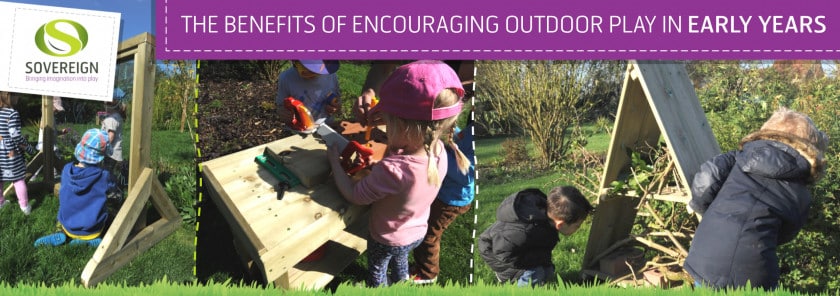
Away from the physical constraints of a classroom setting, there are countless opportunities for children to learn and develop through physical play. With the right gym equipment for children, physical play can be encouraged every day.
The great outdoors presents a multitude of learning opportunities for young children to hone their development, no matter the weather. With an increase in screen time and time spent indoors amongst EYFS children, it’s more important than ever to encourage them to engage in active play.
So, join Sovereign as we explore the key benefits that physical play can provide for young children.
”Although some may be deterred by a rainy day, such conditions should be relished as a unique opportunity to teach children about the natural changes in the world around them. I believe time spent outdoors makes children happier and healthier, and a simple idea can make an incredible difference to a young child’s development.
Sovereign’s Managing Director, Andrew Humphreys
What is Physical Play in Early Years?
Physical play in Early Years refers to any activity or game that encourages children to move their bodies and use energy. It may encompass a wide range of movements, from running and jumping to finger exercises or cutting with scissors.
The type of physical play that children partake in depends largely on their age and development. For example, physical play for toddlers would typically be more energetic as they explore their surroundings, whereas older children may have more structured play like ball games.
Top Five Benefits of Physical Play in Early Years
There are several key benefits that physical play offers children in their early childhood. These range from boosting their physical development to enhancing their social skills and creativity.
Here are five key advantages to physical play that your children can benefit from:
Connection to Nature and the Surrounding Environment
All-weather physical and outdoor play can help children learn about nature and the environment. By getting hands on with the world around them, they can develop a new appreciation for their surroundings.
It can especially help them explore the seasons, understand how the weather affects their environment, and observe wildlife changes like hibernation and seasonal adaptations.
Physical Development
By encouraging children to be active and adventurous, outdoor play supports the development of gross motor skills and physical development. Whether they are running, jumping, or climbing, these activities help strengthen muscles, improve coordination, and build physical endurance.
Social Interaction
Indoor settings can feel confined and be intimidating to young children, particularly if they are new to their surroundings. By removing physical restrictions and spending time outside, children can gain confidence and bond with their peers as they explore the world around them.
Stimulates Imagination and Creativity
As well as boosting social interaction, the outdoor environment offers endless possibilities for imaginative play. Children can turn a tree into a fort, a mound into a mountain, or a simple stick into a magic wand.
This unstructured play encourages them to use their creativity in their own unique way. Perhaps, they may invent their own games, or adapt existing games to suit their desires.
Sensory Play
Nature provides a rich sensory experience for young children. Through close interaction with soil, leaves, stones and water, all of their senses are stimulated.
With physical and outdoor play, children can experiment with natural materials in a way that’s fun, inexpensive, and free from the constraints of indoor environments.
The skills gained from outdoor play will help prepare children for the challenges they may face in later life. By making the most of the outdoors during early years, you can build their confidence and develop their understanding of the world around them.
Additional Benefits of Physical Play For Children
While we have explored the top 5 reasons, physical play for children expands to benefit not only the types of play but also contributes to their lifestyle. These include:
- Improving muscle development and bone density
- Develop core strength, balance, agility, stability and coordination skills
- Aid cognitive development, emotional well-being and academic performance
- Develop gross motor skills and social skills
- Increase problem-solving skills through active play and games
- Aid heart and lung health throughout the early years
- Contribute to a healthy lifestyle and weight management in children
- Boosts confidence
- Elevates self-esteem and mood
How Much Physical Play Should Children Do?
Although the amount of physical play that children should aim to have differs according to their age, they should generally aim for at least 60 minutes of vigorous activity per day.
This can generally be split between school and home, with schools providing at least 30 minutes of structured physical education during the day. An additional 30 minutes should be aimed for outside of school.
Create Inspiring Physical Play Spaces with Sovereign’s Outdoor Equipment
At Sovereign, we understand the importance of outdoor play, and we actively encourage our clients to take their lessons outdoors as often as possible. That’s why our high-quality and durable outdoor playground equipment is designed to inspire hours of physical activity and imaginative play.
With over 30 years of experience and more than 10,000 successful installations of outdoor playground equipment, we have a play solution to suit your needs. Let us help you transform your outdoor space into a place where children can thrive and get in touch today to find out more.