Risk is sometimes viewed as exposure to harm, so our instinct is to eliminate it from the playground. But does complete prevention hinder a child’s ability to assess danger for themselves? Let’s explore the benefits of managed risk and how to integrate ‘adventurous play’ into a safe, controlled environment.
So What Does Risky Play Look Like?
Risky play involves unpredictable outcomes and a potential risk of harm, but depending on a child’s age and ability, is outweighed by rewarding benefits. This type of play allows children to feel challenged and exhilarate – a big part of outdoor free play!
When children are encouraged to independently navigate play equipment, they push their boundaries and discover new ways of using their body and mind while learning to negotiate danger. Both the successes and setbacks of these adventures helps foster a child’s physical, mental and social develop.
How to Police Risky Play?
To better understand the approach of risky play it’s helpful to distinguish between ‘risky play’ and a ‘play hazard’.
Risk involves uncertainties and challenges where a child can identify the danger and make a personal judgement on their ability to navigate it. In contrast, a hazard is a danger in the environment, such as faulty equipment, which has the potential for harm beyond a child’s capacity to see or manage.
Ultimately, the adult’s role is to manage the environment and support the child. It is vital to adhere to safety compliance and provide supervision without dictating every move. By being encouraging without pushing a child beyond their comfort level, adults allow them to tackle new adventures safely.
How Does Sovereign Facilitate Managed Risky Play
With over 30 years of experience, we specialise in developing fun, educational, and above all, safe outdoor environments for children of all ages. We take our legal and moral responsibility of care seriously, ensuring every project provides peace of mind for educators, parents and communities.
We are proud to hold numerous accreditations and certifications that reflect our commitment to designing, building, and installing equipment in strict accordance with BS EN standards. By factoring in the highest safety requirements at every stage, we provide compliant equipment that allows children to confidently practice risk-taking in a secure environment.
Ways to Incorporate Risky Play into Your Space:
- Playing at height
- Climbing
- Jumping
- Balancing
- Play involving speed
- Play with risk of impact
- Play involving tools
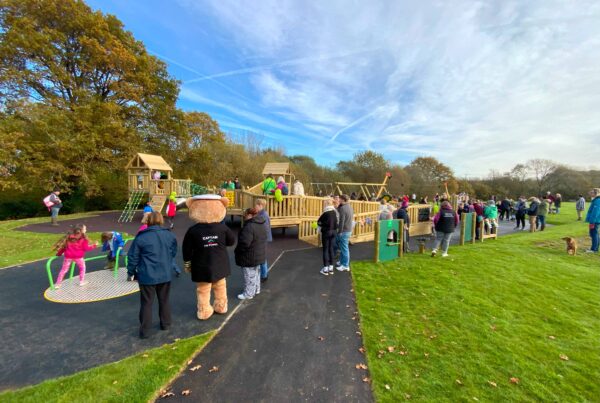
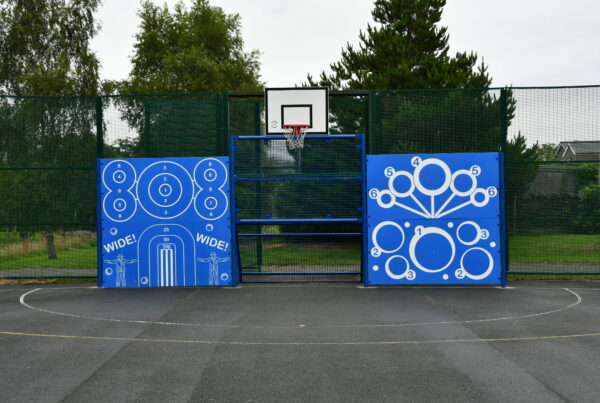
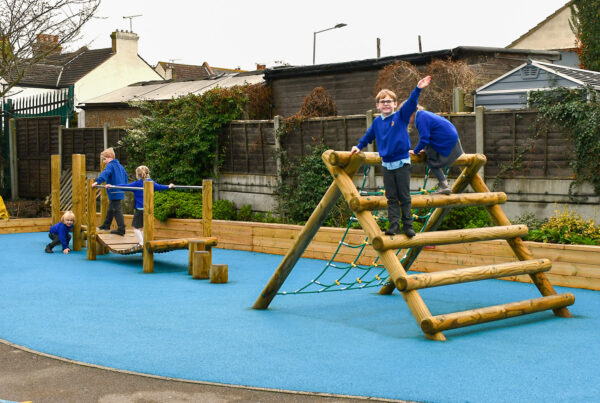
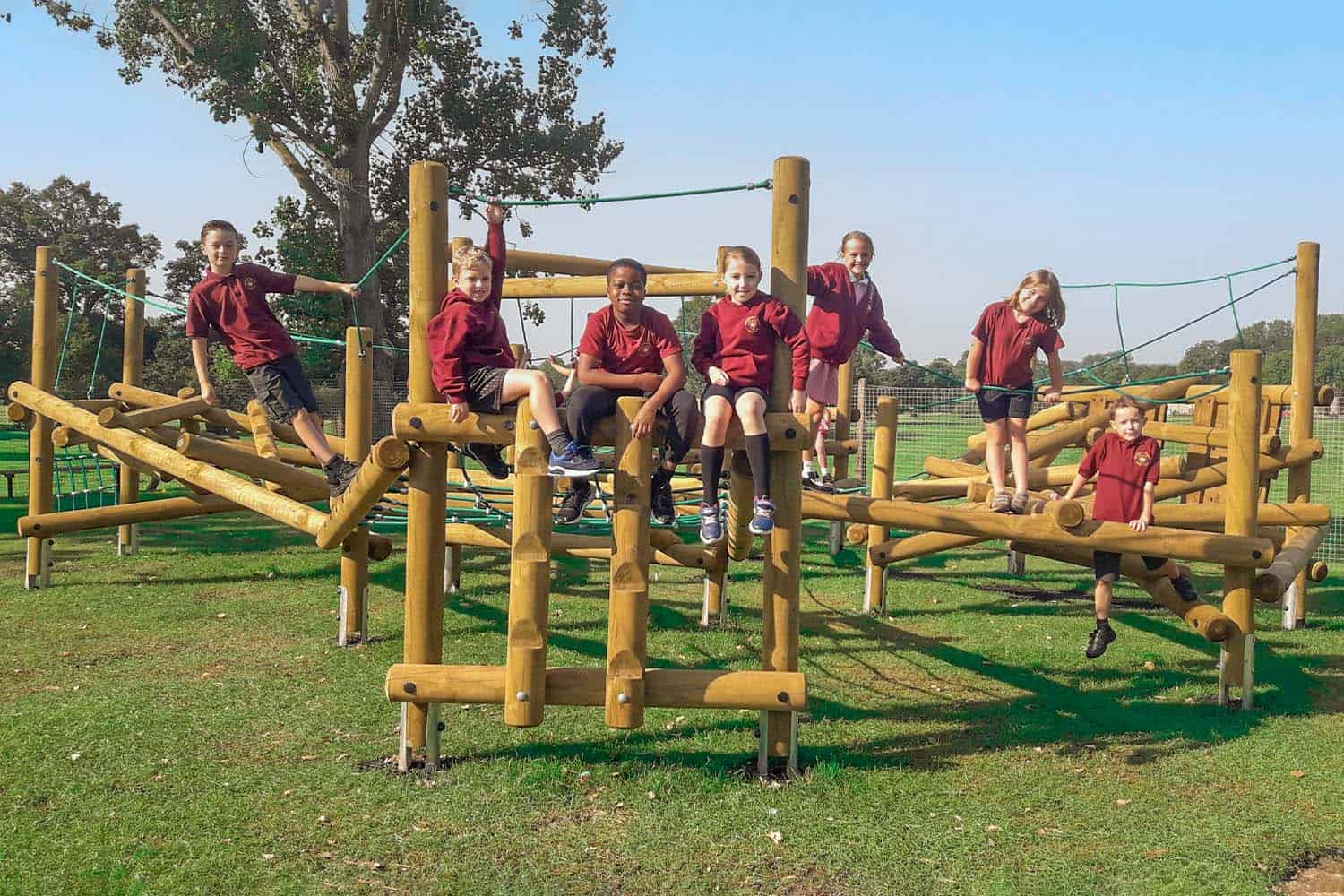
Equipment that Promotes Risky Play:
Risky play is a powerful tool for preventing and managing common health challenges, including anxiety, obesity, and behavioural issues. By providing children with the freedom to test their limits you can encourage self-believe, promote physical vitality and enhance social connection.